
White coffee is made from beans roasted for a shorter time and at a lower temperature than regular coffee. Because the beans are lightly roasted, they remain pale tan instead of dark brown. This roasting style gives white coffee a unique flavor often described as nutty, earthy, and less bitter than traditional coffee.
Many people ask, “What Is White Coffee?” because the name can be confusing. It does not mean coffee with milk, cream, or a white color. Instead, the term refers to the light roasting process that keeps the beans lighter than medium or dark roasts. In this guide, you’ll learn how white coffee is made, what it tastes like, its potential benefits, and the best ways to brew it at home.
What Is White Coffee?
White coffee is basically coffee made from beans that get roasted way less than usual. We’re talking lower temps and a much shorter roast time. So, instead of turning dark and oily like your typical coffee beans, these get pulled out early—before they hit that deep brown stage everyone expects.
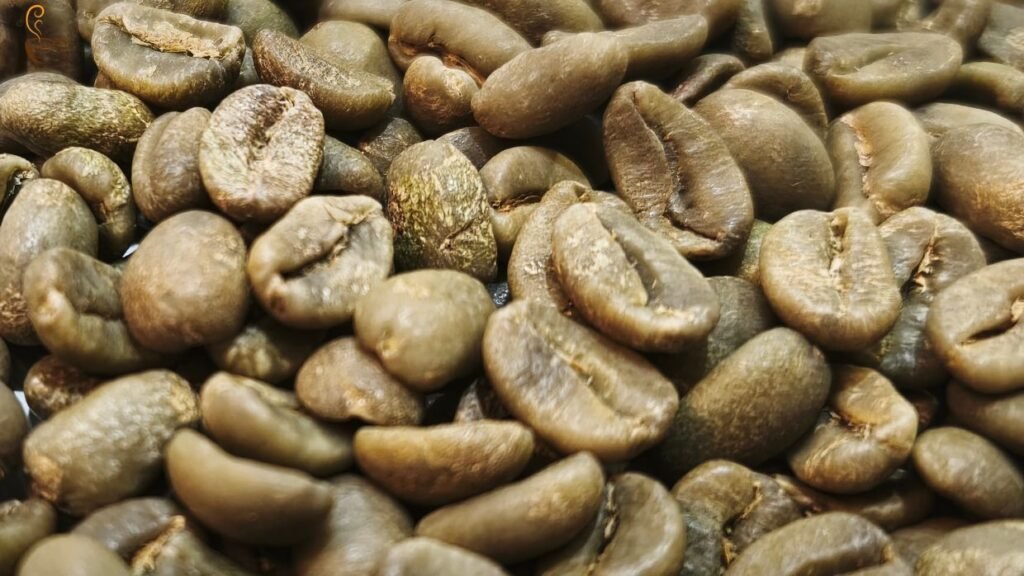
That’s why the beans end up looking kind of pale—like a light tan or beige. That’s actually where the name comes from. But just to clear things up, the drink itself isn’t white. When you brew it, it’s more of a light golden-brown, pretty much like other coffees.
The big thing that sets white coffee apart is how it’s roasted. Regular coffee beans get roasted hot enough to bring out those deep, caramelized flavors and that dark color. With white coffee, the beans only get roasted long enough to dry out and pick up some mild flavors, but they keep a lot more of their original taste.
Because of this lighter roast, white coffee offers a flavor profile that differs significantly from regular coffee. It tends to have nutty, earthy, and slightly sweet notes with much less bitterness. Many coffee drinkers also notice a stronger caffeine effect, making it an attractive choice for those who want an extra energy boost.
The Origins of White Coffee
The term “white coffee” can refer to different coffee traditions around the world. In many Western coffee markets, white coffee specifically means lightly roasted coffee beans.
The actual origin of white coffee is unknown, but many believe that it may have originated in ‘Yemen’. However, in countries such as Malaysia and parts of Southeast Asia, white coffee refers to a unique style of coffee that is roasted with margarine or butter and served with sweetened milk.
In this guide, we focus on the modern specialty-coffee version of white coffee, made from lightly roasted beans, which has become increasingly popular among home brewers and coffee enthusiasts.
Common Misconceptions About White Coffee
Many people misunderstand what white coffee actually is. Here are a few common myths:
- It contains milk: White coffee does not automatically include milk or cream.
- The drink is white in color: The brewed coffee is usually light brown, not white.
- It is a completely different type of coffee bean: White coffee uses the same coffee beans as regular coffee; the difference lies in the roasting process.
- It is caffeine-free: In fact, white coffee often contains as much or slightly more caffeine than darker roasts.
Simply put, white coffee is regular coffee that has been roasted much less than traditional coffee. This unique roasting method creates a distinct flavor, lighter color, and brewing experience that sets it apart from conventional roasts.
How Is White Coffee Made?
White coffee is pretty much all about how it’s roasted. Regular coffee beans get roasted until they’re a deep brown, but with white coffee, the beans come out way earlier. That quick roast keeps a lot of the original flavors and leaves the beans looking pale, which is where the name comes from.
It might sound easy, but getting the flavor and texture right actually takes some serious attention to temperature and timing.
Light Roasting Process
You start with green coffee beans, same as always. The difference is that, instead of blasting them with heat for a long time, roasters go for lower temperatures and pull them out sooner.
With a regular roast, the beans change a lot—they get darker, pick up bold flavors, and start to show oils on the outside. White coffee skips most of that because the beans come out before all those changes happen.
As a result, the beans:
- Remain light tan or beige in color
- Retain more of their natural coffee characteristics
- Develop less bitterness
- Produce a nutty and slightly sweet flavor profile
- Have a denser and harder texture than regular roasted beans
Since the roast is so quick, you don’t get those smoky or caramel flavors you find in darker coffee. Instead, white coffee has a milder, more unique taste that a lot of people really like.
Grinding White Coffee Beans
Grinding white coffee is actually one of the trickiest parts.
Because the beans don’t roast for long, they’re way harder and denser than regular coffee beans. Most home grinders have a tough time with them, and you can end up with uneven grounds or even break a cheap grinder.
That’s why a lot of people just buy white coffee already ground from specialty shops. If you want to grind it yourself, you’ll probably need a really solid burr grinder that can handle tough beans.
The grind size depends on the brewing method:
- Fine grind: Espresso machines
- Medium grind: Drip coffee makers
- Coarse grind: French press brewing
- Extra coarse grind: Cold brew methods
Why the Roasting Process Matters
How you roast coffee changes pretty much everything—flavor, smell, how strong it feels, even the acidity. Since white coffee is roasted so lightly, it ends up tasting really different from the usual stuff.
Many people appreciate white coffee because it delivers:
- A smoother, less bitter taste
- A unique nutty flavor profile
- A lighter roast character
- A stronger perceived caffeine kick
At the end of the day, it’s not the bean that makes white coffee stand out—it’s all about how it’s roasted. That careful, quick roast gives it a vibe you just don’t get with regular light, medium, or dark roasts.
White Coffee vs. Regular Coffee
White coffee and regular coffee might look pretty similar at first, since they both start with the same beans. But once you get into how they’re roasted, that’s where things really start to change—flavor, how they look, how much caffeine you feel, even how you brew them.
Figuring out these differences actually makes it way easier to pick the kind of coffee that fits your taste and how you like to make it.
Roast Level
The main thing that sets white coffee apart from regular coffee is how much it’s roasted.
White coffee gets roasted at a lower temp and doesn’t spend as much time in the roaster. The beans come out before they turn dark or pick up those deep, roasted flavors you get with regular coffee.
Regular coffee usually goes longer—light, medium, or dark—so you end up with more caramelization and a bigger range of flavors.
White Coffee:
- Very lightly roasted
- Light tan or beige color
- Dense and hard beans
Regular Coffee:
- Roasted longer
- Medium to dark brown color
- Less dense and easier to grind
Flavor Differences
Honestly, flavor is where most people really notice the difference.
White coffee tastes pretty different—people usually call it nutty, earthy, a little sweet, kind of like grains. You won’t get those smoky or chocolatey flavors you find in darker roasts.
Regular coffee can go all over the place, flavor-wise. Depending on how it’s roasted, you might taste chocolate, caramel, fruit, spice, or even something smoky.
White Coffee Flavor Profile:
- Nutty
- Mildly sweet
- Earthy
- Less bitter
Regular Coffee Flavor Profile:
- Rich and roasted
- More complex
- Can range from fruity to smoky
- Often more bitter as roast levels increase
Caffeine Content
A lot of folks go for white coffee because it’s supposed to have more caffeine.
The actual caffeine difference depends on the beans and how you brew it, but white coffee usually hangs onto a bit more caffeine since it doesn’t get roasted as long. Less heat means less caffeine gets lost.
So yeah, a lot of people say they get a bigger energy kick from white coffee than from darker roasts.
Acidity Levels
Acidity is another spot where these two really aren’t the same.
White coffee usually tastes brighter and lighter since it doesn’t get roasted as much. It’s also less bitter, so some people think it goes down smoother.
Regular coffee varies widely depending on roast level:
- Light roasts often have higher perceived acidity.
- Medium roasts tend to be balanced.
- Dark roasts usually have lower acidity but more bitterness.
Honestly, it just comes down to what you like and what tastes smoother to you.
Brewing Methods
White coffee beans are way harder than regular ones, so you kind of have to think about that when you’re making it.
A lot of people just buy white coffee already ground, since grinding it at home is tough unless you’ve got a really good grinder.
Both white coffee and regular coffee can be brewed using:
- Espresso machines
- French presses
- Drip coffee makers
- Pour-over brewers
- Cold brew systems
White coffee is actually super popular in espresso drinks, mostly because that nutty flavor works really well with milk or syrups.
Quick Comparison Table
| Feature | White Coffee | Regular Coffee |
|---|---|---|
| Roast Level | Very light roast | Light, medium, or dark roast |
| Bean Color | Pale tan | Brown to dark brown |
| Flavor | Nutty, earthy, mild | Rich, roasted, complex |
| Bitterness | Low | Moderate to high |
| Caffeine | Often slightly higher | Varies by roast |
| Bean Hardness | Very hard | Easier to grind |
| Aroma | Light and subtle | Strong and roasted |
| Best For | Unique flavors and caffeine lovers | Traditional coffee drinkers |
Which One Is Better?
There’s no real winner here. It just depends on what you like.
If you’re into bold, roasted flavors and that classic coffee smell, regular coffee is probably your thing. But if you want something less bitter, a little nutty, and maybe with more of a caffeine punch, white coffee’s worth a shot.
Both styles offer unique experiences, making them excellent choices for different coffee lovers and brewing occasions.
Potential Benefits of White Coffee
White coffee isn’t just about a different taste. There are a few perks that set it apart from your usual roasted coffee, though a lot of it comes down to what you like and how you make it. Lately, it’s been getting some buzz among coffee fans for a bunch of reasons.
Higher Retention of Natural Compounds
Since white coffee gets roasted at a lower temperature and for less time, the beans hang onto more of their natural stuff, like chlorogenic acids. You usually find these in green coffee beans, but they tend to disappear the longer you roast.
People are still looking into it, but a lot of coffee folks think this lighter roasting keeps more of the bean’s original qualities than the darker stuff.
Smoother, Less Bitter Taste
Probably the first thing you’ll notice is how smooth it tastes. Because the beans don’t get roasted super dark, you don’t get that harsh bitterness you find in regular coffee.
So white coffee’s a solid pick if you:
- Dislike bitter coffee
- Prefer a mild and nutty flavor
- Enjoy coffee with milk or sweeteners
The fact that it’s less bitter means some people can actually drink it without dumping in a ton of sugar or cream. Another thing you’ll hear is that white coffee gives you a stronger caffeine kick. The real caffeine amount depends on the beans and how you brew it, but lighter roasting might leave a bit more caffeine in there compared to darker. A lot of people say they feel the energy boost faster or more strongly with white coffee. Just keep in mind, caffeine isn’t a set thing. It depends on stuff like:ncluding:
- Bean variety
- Brewing method
- Serving size
Lower Roast-Induced Bitterness
When you roast coffee dark, you get all these strong, smoky, sometimes bitter flavors. White coffee skips most of that since it comes out of the roaster early. You end up tasting more of what the bean is actually like, not just the flavors from heavy roasting.
A Unique Coffee Experience
But it’s not just about taste or caffeine. White coffee is kind of its own thing, and it gives you a chance to try a side of coffee you don’t usually see in most cafés. For a lot of people, trying it is about:
- Discovering new flavors
- Expanding coffee preferences
- Enjoying variety beyond traditional roasts
Important Note on Health Claims
Even if white coffee has a few perks, it’s not some miracle health drink or a swap for your regular cup. How coffee affects you depends on a bunch of things, like how much you drink and how you handle caffeine. It’s just something you can enjoy as part of a balanced routine.
How to Brew White Coffee at Home
Brewing white coffee at home is simple once you understand a few key differences. Because the beans are lightly roasted, they are harder and more delicate in flavor, so the brewing method you choose can greatly affect the final taste. With the right approach, you can enjoy a smooth, nutty cup of white coffee right in your kitchen.
Step 1: Choose Quality White Coffee Beans
Start with fresh, high-quality white coffee beans from a trusted roaster. Since white coffee is less common than regular coffee, quality matters even more.
You can buy it in:
- Whole bean form (best freshness)
- Pre-ground form (more convenient)
If you choose whole beans, make sure your grinder is strong enough to handle hard, lightly roasted beans.
Step 2: Grind the Beans Properly
Grinding white coffee can be challenging because the beans are denser than regular roasted beans. Use a burr grinder for the best results.
Choose your grind size based on your brewing method:
- Fine grind: Espresso machines
- Medium grind: Drip coffee makers or pour-over
- Coarse grind: French press
- Extra coarse grind: Cold brew
A consistent grind helps extract better flavor and prevents weak or over-extracted coffee.
Step 3: Select Your Brewing Method
White coffee can be brewed using many of the same methods as regular coffee. However, some methods bring out its unique nutty flavor better than others.
Espresso Machine
White coffee works well in espresso-based drinks. The result is a strong, nutty shot that pairs nicely with milk for lattes or cappuccinos.
French Press
This is one of the easiest methods. It gives a full-bodied cup with a smooth texture and rich flavor.
Drip Coffee Maker
A drip machine produces a clean and mild cup, making it a convenient everyday option.
Pour-Over
Pour-over brewing highlights the subtle flavors of white coffee and gives you more control over extraction.
Cold Brew
Cold brewing white coffee creates a smooth, slightly sweet drink with very low bitterness.
Step 4: Use the Right Coffee-to-Water Ratio
Getting the right balance is important for flavor. A general guideline is:
- 1 to 2 tablespoons of white coffee per 6 ounces of water
You can adjust this based on how strong you like your coffee. Start with a standard ratio and tweak it to suit your taste.
Step 5: Brew at the Right Temperature
Use water that is hot but not boiling. The ideal temperature is around:
- 90°C to 96°C (194°F to 205°F)
This helps extract flavor without burning the delicate compounds in white coffee.
Step 6: Taste and Adjust
White coffee has a naturally unique flavor, so it may taste different from what you’re used to. Take your time to adjust:
- If it tastes weak → use more coffee or a finer grind
- If it tastes too strong → use less coffee or a coarser grind
- If it tastes bitter → lower brewing time or temperature
Final Tip
White coffee is all about experimenting. Small changes in grind size, water temperature, and brewing time can make a big difference. Once you find your perfect method, you’ll enjoy a smooth, nutty, and energizing cup every time.
15. Final Thoughts
White coffee is kind of a new twist on an old favorite. Instead of the usual dark roast, the beans get roasted at a much lower temperature. That’s why it looks lighter, tastes smoother, and has this nutty thing going on that you don’t really get with regular coffee.
If you’ve ever wondered what white coffee actually is, it’s pretty simple. It’s just coffee made from beans that are roasted lightly, so the flavor ends up milder, less bitter, and honestly, a bit more interesting. It’s probably not going to take over for regular coffee, but if you’re looking for something a little different, it’s worth a shot.
White coffee is especially appealing if you:
- Prefer less bitter coffee
- Enjoy exploring new coffee flavors
- Want a smoother cup with a unique taste
- Are curious about specialty coffee styles
If you like messing around with coffee at home, white coffee is actually pretty fun to experiment with. Just tweaking the grind size or the water temperature or even how you brew it can totally change how it tastes.
Honestly, the best coffee is just the one you actually like drinking. If you’re happy with your usual cup, great. If you want to try white coffee, go for it. Both have their own thing going on.
Frequently Asked Questions
What is white coffee made from?
White coffee is made from the same coffee beans used for regular coffee, usually Arabica beans. The difference is that the beans are roasted at a much lower temperature and for a shorter time, which keeps them lighter in color and flavor.
Does white coffee contain milk?
No, white coffee does not naturally contain milk. The term “white” refers to the light roasting of the beans, not the color of the drink or added ingredients. However, many people enjoy adding milk or cream to enhance the taste.
Does white coffee taste stronger than regular coffee?
White coffee does not taste stronger in terms of roast flavor. Instead, it tastes smoother, nuttier, and less bitter. Some people feel it gives a stronger energy boost, but this depends on brewing strength and caffeine content, not just flavor.
Is white coffee less bitter than regular coffee?
Yes, white coffee is generally less bitter because it is not roasted as long as regular coffee. This lighter roast preserves a milder and more natural bean flavor.
Does white coffee have more caffeine?
White coffee may contain slightly more caffeine than darker roasts because it is less exposed to heat during roasting. However, the difference is usually small and depends more on the type of bean and brewing method.

Dr. Maksud Hassan is a medical doctor by profession and the co-founder of Queek Coffee. He is a coffee lover, and he loves to advise people about the health benefits of coffee.